Pure Matcha · The Birthplace of Tea

LUYUTANG

Stone-ground matcha, from where it began.

Be the first to know →
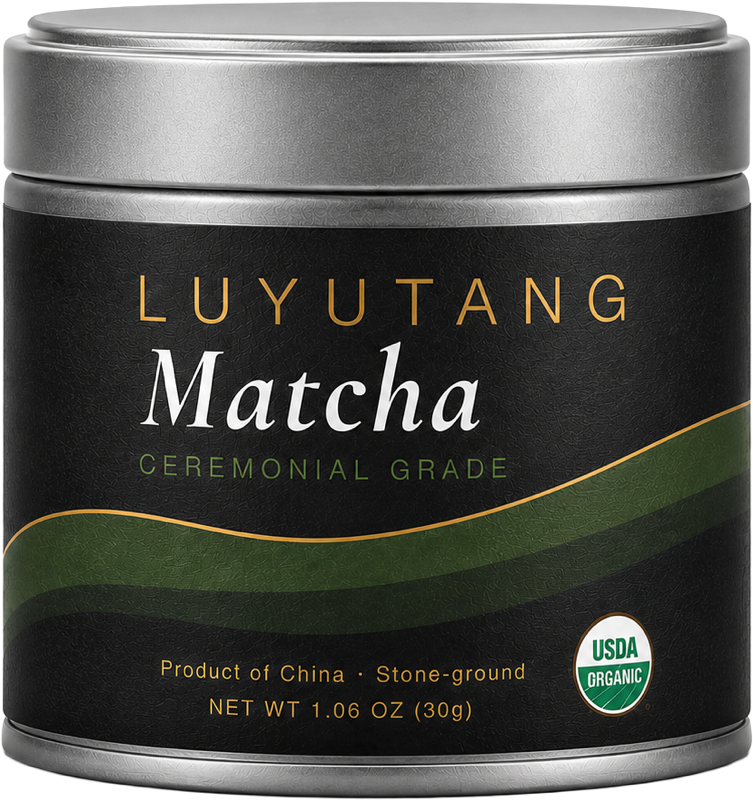
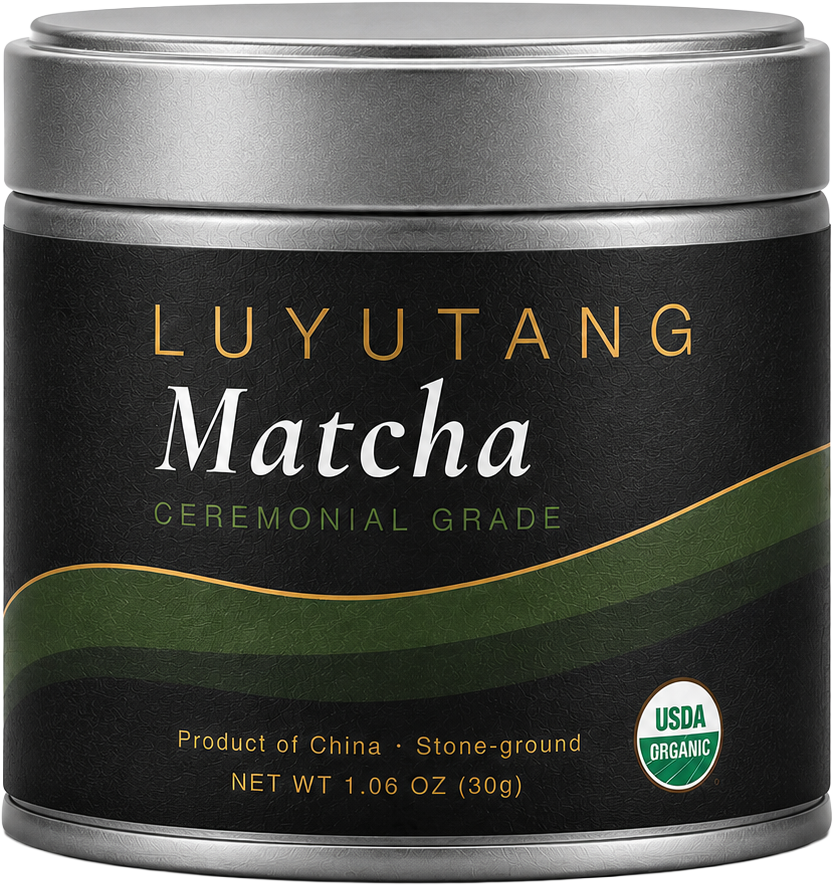
LUYUTANG matcha tin
Scroll

Launching soon.

Leave your email — get early access and a launch discount when we go live.

No spam. One email when we're ready.

LUYUTANG matcha tin

Named after
Lu Yu.

In the 8th century, an orphan raised in a lakeside monastery became the man who defined tea for the world. Lu Yu (733–804) walked the tea mountains of the Yangtze for decades, then settled by the Tiao Creek in Huzhou — in what is now northern Zhejiang — and in quiet reclusion wrote the Cha Jing, the Classic of Tea: the first book ever devoted to it. He turned tea from a country drink into a discipline — clear, repeatable, worth taking seriously.

"Tea is a fine tree of the south." — Lu Yu, Cha Jing

Lu Yu chose Huzhou for a reason. Its Guzhu mountains produced Zisun — tea sent in tribute to the Tang court. Twelve centuries later, the gardens of this same region still grow some of China's finest leaf. It is where our matcha begins.

128
Restricted pesticides
COA
Every batch on file
100%
Stone-ground leaf
How tea became matcha.

Matcha did not begin in Japan. It began here — in the tea culture of Tang and Song China, a thousand years ago.

Tang · c. 780

The Classic of Tea

In Lu Yu's time, tea was pressed into cakes, roasted, ground, and simmered in an open pot — the decocted method he set down in the Cha Jing. It was the first time anyone had written tea down as a craft with rules.

Song

Tea Becomes Powder

By the Song dynasty the craft had transformed. Tea was steamed, dried, and milled to a fine powder, then whisked in the bowl with a bamboo whisk until it rose into a thick, jade-green froth — no longer boiled, but suspended in water. This method, dian cha, is the direct ancestor of matcha. The scholar Cai Xiang recorded it in his Record of Tea; Emperor Huizong — the only reigning monarch ever to write a tea treatise — perfected it in his Treatise on Tea of 1107.

Song

The Tea Battles

And the Song made it a sport. Doucha — 'tea war' — pitted whisked bowls against one another: whose froth was whitest, whose foam clung longest to the bowl before the first water-mark broke its surface. The longest-lasting crema won. It was judged in temples, markets, and the imperial court alike — Emperor Huizong himself competed, and whisked tea for his ministers by hand. The finest tea masters were celebrities, the way a champion is today, and a single winning cake could be worth its weight in gold. Some whisked images onto the foam itself — birds, flowers, verses — an art they called cha baixi, painting in tea.

Song → Japan → Home

Carried Across the Sea, Brought Home

In the Song, Japanese Zen monks — Eisai among them — carried the whisked-powder method home across the water. There it was kept, refined, and given the name the world now knows: matcha. LUYUTANG brings that lineage back to where it began.

Sources: Lu Yu, Cha Jing (c. 780); Cai Xiang, Cha Lu (c. 1051); Zhao Ji (Emperor Huizong), Daguan Cha Lun (1107); Fan Zhongyan, 'Song of the Tea Competition.'

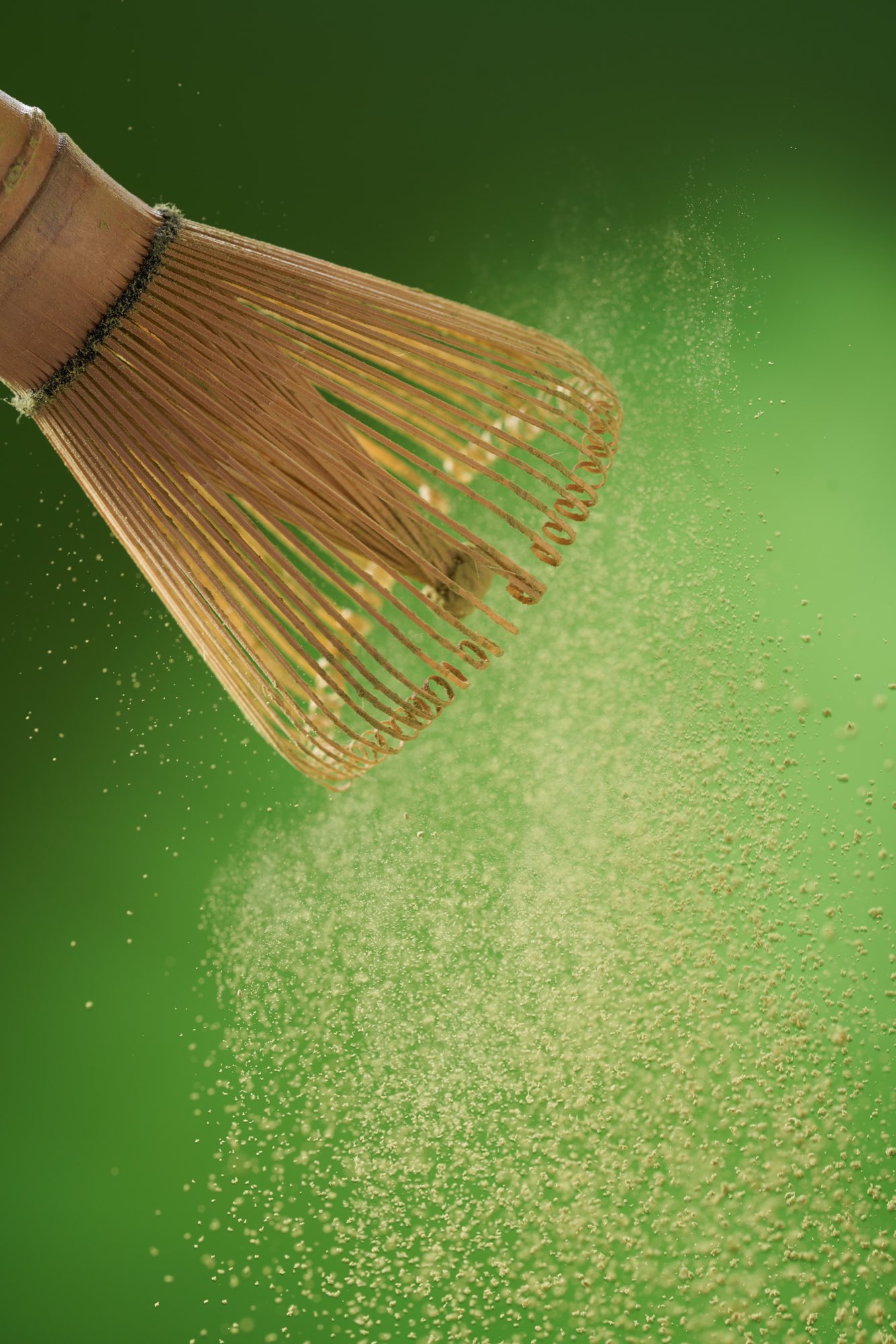
Bamboo whisk with matcha powder

Whisked by hand.

Powder, water, and a bamboo whisk — the way it's been for a thousand years.

Tested.
Traceable.
Consistent.

We don't ask you to trust us. Every claim we make is independently verified — by labs that don't work for us, from gardens whose names we'll tell you, tested against standards we didn't write.

01

Third-Party Lab Testing

Every batch is independently tested before it ships. Certificate of Analysis available on request. Not our standards — an independent lab's.

02

Full Traceability

We know the garden, the harvest season, the processing facility. You can know it too. Opacity in supply chains is a choice — we chose otherwise.

03

Stone-Ground Ultra-Fine

Granite mill, slow-ground. The particle size is the difference between powder that dissolves and powder that doesn't. Ours dissolves — every time.

04

Consistent Supply

While Japanese matcha prices rose 170% in 2025 and availability tightened, we maintained pricing and stock. Your morning routine shouldn't depend on geopolitics.

Where it actually comes from.

No stock photos. These are the gardens and the hands our matcha comes from.

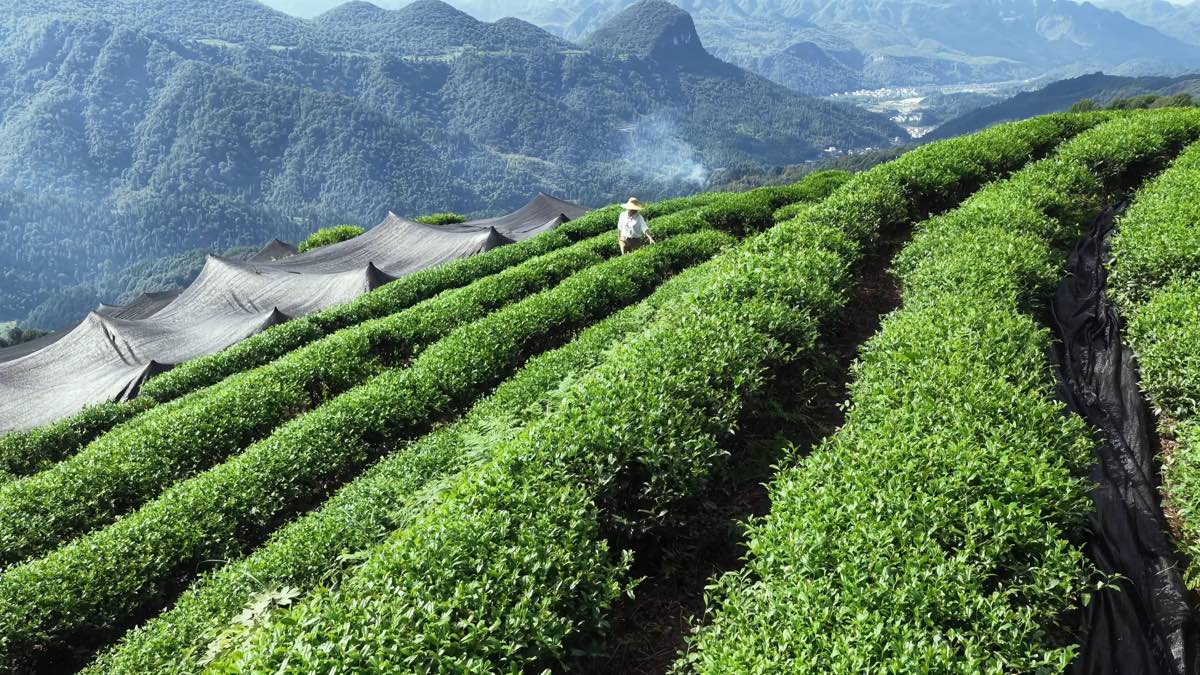
High-mountain tea fields above morning cloud
The Gardens

High-mountain fields, above the cloud line.

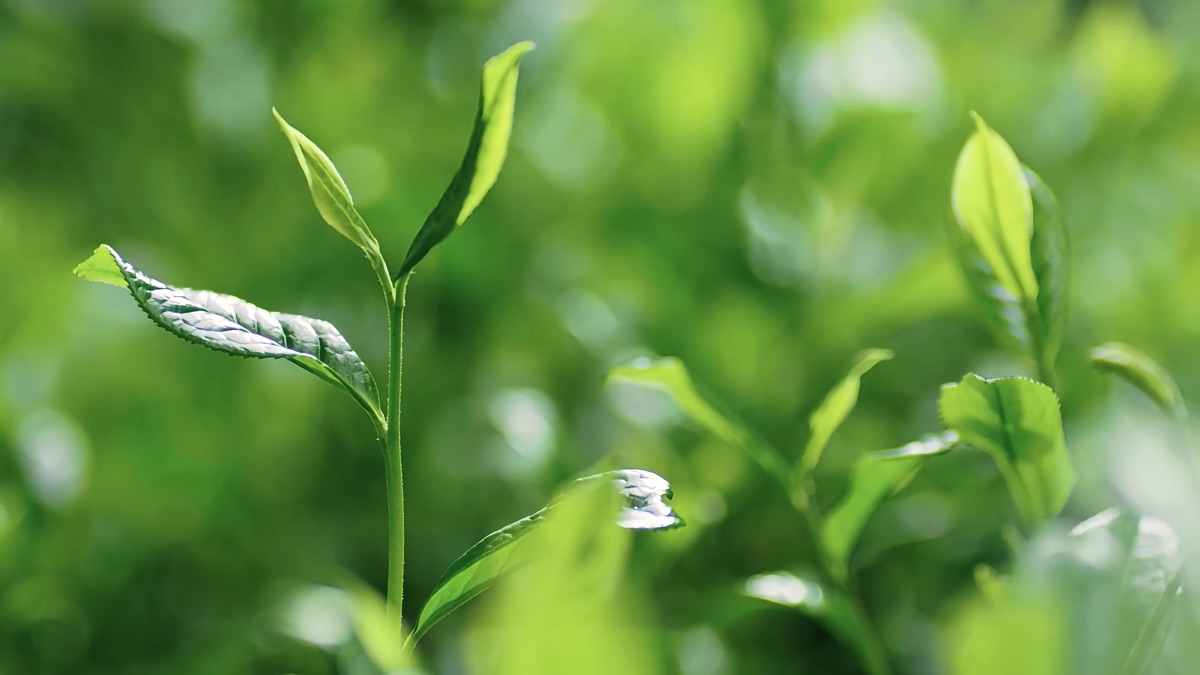
Backlit tender tea leaf on the plant
The Leaf

Tender spring leaf, certified organic.

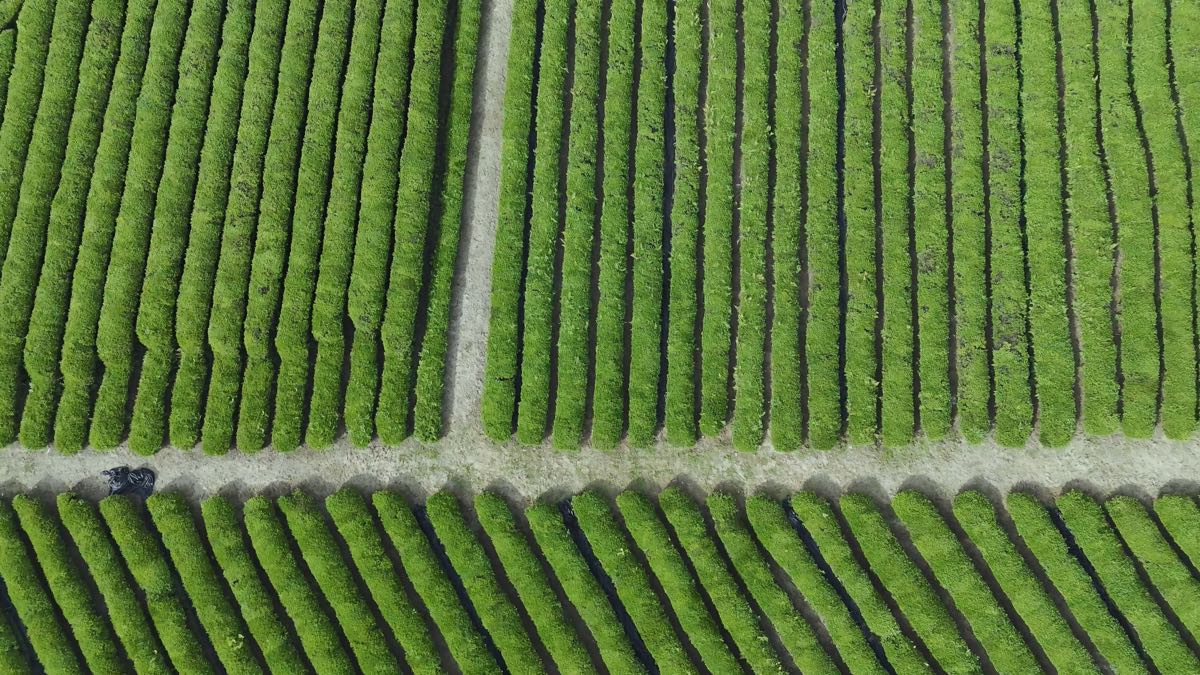
Neat rows of an organic tea garden from above
The Region

One source, fully traceable.

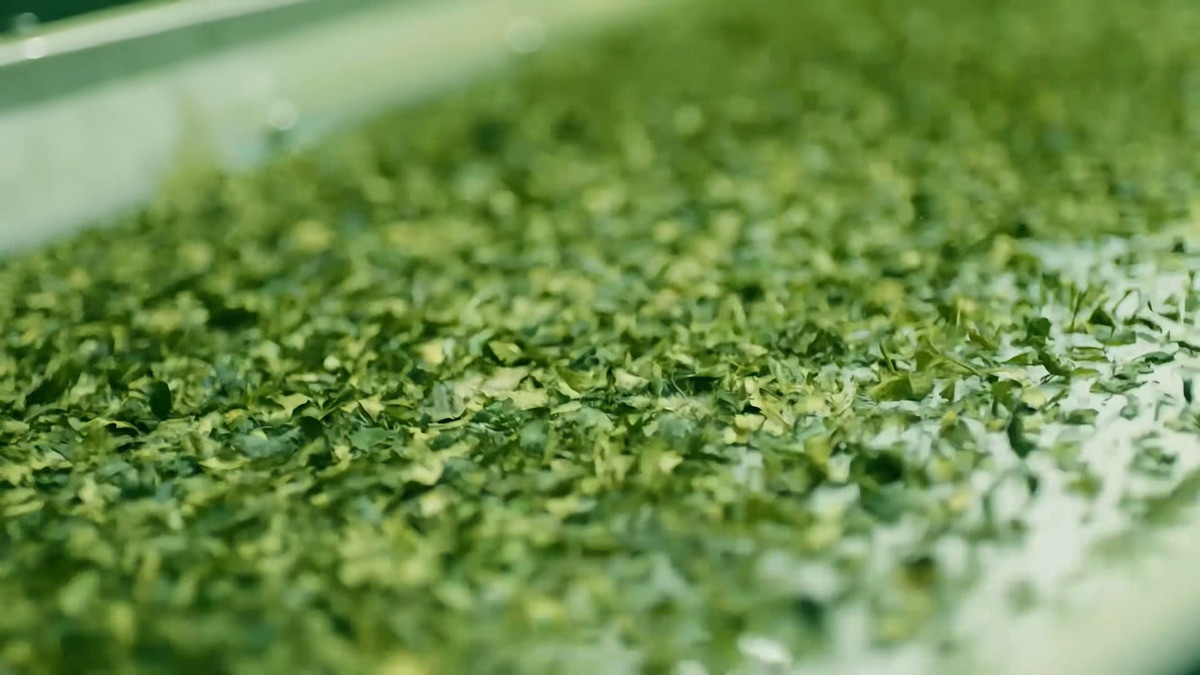
Steamed tea leaf
Steamed

Heat-fixed to keep it green.

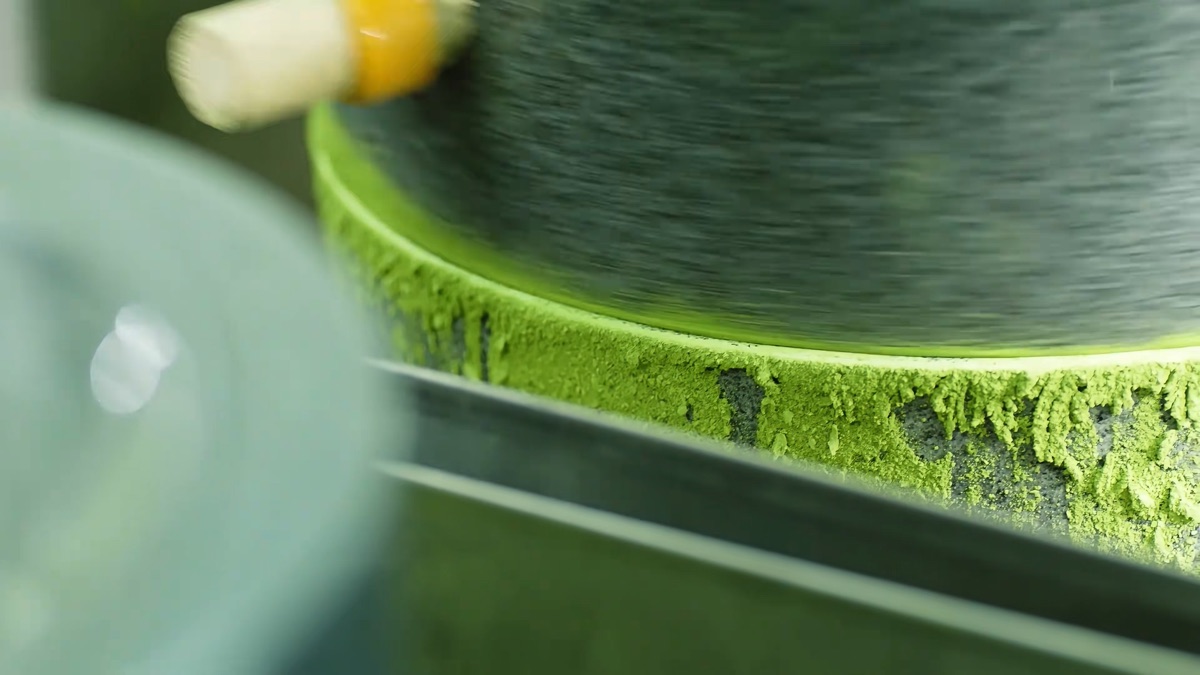
Matcha being stone-ground into powder
Stone-Ground

Milled slow and fine into matcha.

Before you ask.

China — and we say so up front. Tea was born here, and the powdered, whisked tea the world calls matcha was perfected here in the Song dynasty. We source from certified-organic gardens and tell you the region, the harvest, and the lab results. Origin you can verify beats origin you have to take on faith.

We don't use that label. "Ceremonial grade" has no official standard — any brand can print it on a tin. Instead of a grade we invented, we give you what an independent lab actually found: what's in the powder, and what isn't. Judge it on that.

Yes. Our matcha is USDA Organic, and every batch is third-party tested for pesticides and heavy metals before it ships. The Certificate of Analysis is available on request — not our word, an independent lab's.

It dissolves. We stone-grind the leaf to an ultra-fine powder — the difference between matcha that whisks into a smooth cup and matcha that settles into grit at the bottom.

Same plant, same steamed-and-ground method — different source. Japanese supply tightened and prices rose sharply in 2025; ours stays in stock and stays consistent. We're not a cheaper stand-in for Japanese matcha. We're matcha from where the tradition began.

Matcha has caffeine, but also L-theanine, which is why many people find the lift steadier and the comedown gentler than coffee. Smooth energy, no crash.

Whisk about a teaspoon with a little hot (not boiling) water until frothy, then top with hot or cold milk or water for a latte. No special skill required — a bamboo whisk helps.

We launch on Amazon this August. Leave your email above for early access and a launch-day discount.

Available Now

Go
Weightless.

Pure stone-ground matcha. USDA Organic. Lab-tested. A few minutes that belong entirely to you.

Buy on Amazon

Ships from Amazon · USDA Organic · COA on request